
Top 15 Historical Places to Visit in Bikaner
Bikaner is one of Rajasthan’s most fascinating heritage destinations, known for its magnificent forts, royal palaces, ancient temples, and beautifully carved havelis. Founded in 1488 by Rao Bika, the city has preserved its regal charm through centuries of history. While cities like Jaipur, Jodhpur, and Udaipur often attract the largest number of tourists, Bikaner offers a quieter yet equally rewarding journey into Rajasthan’s glorious past.
From the impressive Junagarh Fort to centuries-old Jain temples and elegant royal residences, every historical place in Bikaner tells a unique story of Rajput bravery, architecture, and culture. Whether you enjoy exploring museums, photographing intricate carvings, or learning about royal dynasties, this city has something for every traveler. In this guide, you’ll discover the top historical places to visit in Bikaner, along with travel tips and fascinating facts to help you plan a memorable heritage tour.
If you’re planning a longer Rajasthan itinerary, don’t miss our detailed guide to the best tourist places across Rajasthan to discover more iconic destinations across the state.
Why Visit Historical Places in Bikaner?
Bikaner stands apart because much of its medieval architecture remains remarkably well preserved. Unlike many historical cities that experienced repeated invasions, Bikaner retained much of its original royal character. Visitors can admire grand forts, royal palaces, ancient temples, bustling heritage markets, and museums filled with priceless artifacts.
The city’s sandstone buildings display exceptional Rajput craftsmanship, while intricate balconies, colorful courtyards, marble carvings, and decorated gateways showcase centuries of artistic excellence. History lovers, photographers, architecture enthusiasts, and families will all find plenty to explore.
A Brief History of Bikaner
Bikaner was established in 1488 by Rao Bika, a Rathore prince and the son of Rao Jodha, the founder of Jodhpur. Located in the heart of the Thar Desert, the city gradually developed into an important center for trade between Central Asia and western India. Successive rulers strengthened the kingdom by constructing magnificent forts, palaces, temples, and public buildings that still define the city’s skyline today.
The rulers of Bikaner maintained close ties with the Mughal Empire, resulting in a fascinating blend of Rajput and Mughal architectural styles. Today, these historical landmarks continue to attract visitors from around the world who wish to experience Rajasthan’s royal heritage.
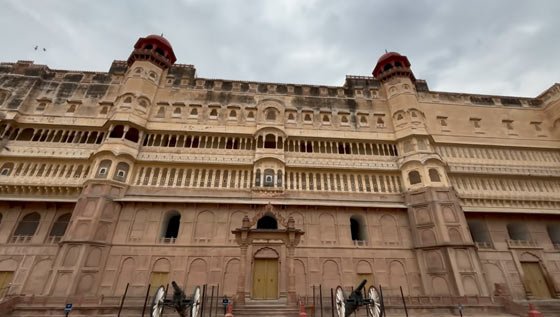
1. Junagarh Fort
The Pride of Bikaner
Junagarh Fort is undoubtedly the most famous historical monument in Bikaner. Built between 1589 and 1594 by Raja Rai Singh, this massive fort is unique because it was constructed on the plains instead of a hilltop. Despite numerous battles over the centuries, it remained largely unconquered, making it one of Rajasthan’s best-preserved forts.
Inside the fort, visitors can explore magnificent palaces, grand audience halls, beautifully decorated courtyards, museums, temples, and royal chambers. Highlights include Anup Mahal, Phool Mahal, Chandra Mahal, Karan Mahal, and Badal Mahal, each featuring intricate mirror work, gold leaf paintings, and carved wooden ceilings.
Photography enthusiasts will appreciate the impressive gateways, detailed balconies, marble windows, and colorful interiors that reflect centuries of royal craftsmanship.
Location: Central Bikaner
Best Time to Visit: Morning
Famous For: Rajput architecture, museums, royal palaces
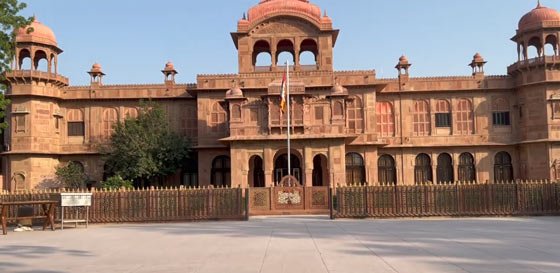
2. Lalgarh Palace
A Blend of Royal Elegance and European Design
Built by Maharaja Ganga Singh during the early twentieth century, Lalgarh Palace combines Rajput, Mughal, and European architectural styles. Constructed from beautiful red sandstone, the palace features graceful arches, elegant balconies, spacious lawns, decorative corridors, and finely carved pillars.
Parts of the palace now operate as a heritage hotel and museum, allowing visitors to experience the luxurious lifestyle of Bikaner’s royal family. The museum displays royal photographs, hunting trophies, manuscripts, antique furniture, and historical documents that offer valuable insights into the region’s history.
Location: Lalgarh Road
Best Time to Visit: October to March
Famous For: Heritage architecture and royal museum
Travelers interested in Rajasthan’s magnificent royal residences can also explore Udaipur’s spectacular palace attractions for another unforgettable heritage experience.
3. Rampuria Havelis
Masterpieces of Merchant Architecture
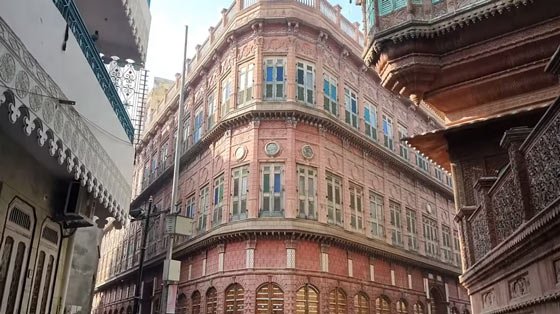
The Rampuria Havelis are among Bikaner’s most photographed historical landmarks. Built by wealthy merchant families during the nineteenth century, these magnificent mansions feature elaborate sandstone carvings, beautifully decorated balconies, artistic windows, and richly ornamented facades.
Walking through the narrow streets surrounding these havelis feels like stepping back into Rajasthan’s trading era. The detailed craftsmanship reflects the prosperity of Bikaner’s merchant community and demonstrates the exceptional skill of local artisans.
Many architecture enthusiasts consider the Rampuria Havelis among the finest examples of traditional residential architecture in Rajasthan.
Location: Old City
Best Time to Visit: Early Morning
Famous For: Sandstone carvings and heritage streets
4. Prachina Museum
Discover the Royal Lifestyle
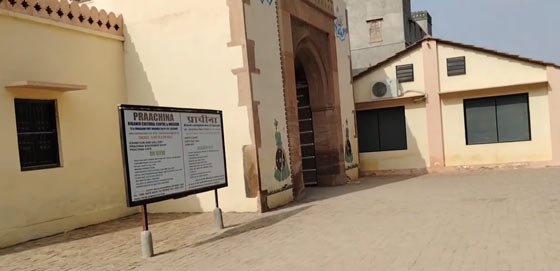
Located within Junagarh Fort, the Prachina Museum preserves an impressive collection of royal costumes, jewelry, paintings, weapons, textiles, portraits, and ceremonial artifacts. The museum offers visitors an engaging introduction to the traditions, fashion, and culture of the Bikaner royal family.
Interactive exhibits and carefully maintained galleries make the museum an excellent stop for history enthusiasts, students, and families. Every display reveals fascinating details about court ceremonies, military traditions, and everyday royal life.
Location: Inside Junagarh Fort
Famous For: Royal artifacts and historical collections
5. Bhandasar Jain Temple
An Architectural Marvel
Bhandasar Jain Temple is one of Bikaner’s oldest and most beautiful religious monuments. Dedicated to the fifth Jain Tirthankara, Sumatinath, the temple is celebrated for its colorful frescoes, delicate mirror work, richly painted ceilings, and intricate stone carvings.
According to local tradition, clarified butter was mixed into the mortar during construction, adding an interesting historical legend to this remarkable structure. Every section of the temple showcases extraordinary craftsmanship that continues to impress visitors from around the world.
Location: Old Bikaner
Best Time to Visit: Morning
Famous For: Jain architecture and painted interiors
If you enjoy exploring Rajasthan’s legendary forts and temples, be sure to read our guide to Chittorgarh’s iconic historical monuments for another unforgettable heritage experience.
6. Devi Kund Sagar
The Royal Cenotaph Complex
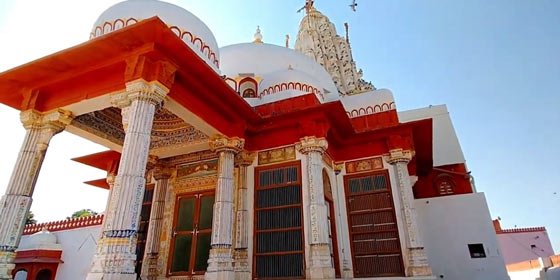
Devi Kund Sagar is the royal cremation ground of the Bikaner rulers and one of the city’s most peaceful historical attractions. The complex features beautifully carved cenotaphs built from marble and red sandstone, each honoring members of the royal family. Intricate pillars, domes, floral motifs, and finely sculpted ceilings reflect the artistic brilliance of Rajput architecture.
Besides its historical significance, the site offers a calm atmosphere away from the city’s busy streets. Early mornings and late afternoons are ideal for photography, allowing visitors to capture the elegant structures under soft natural light.
Location: Around 8 km from Bikaner City
Best Time to Visit: Sunrise or Sunset
Famous For: Royal cenotaphs, marble architecture, heritage photography
Visitors planning a Rajasthan heritage circuit should also explore Jodhpur’s famous forts and Blue City attractions to experience another chapter of the state’s rich royal history.
7. Gajner Palace
A Royal Retreat on the Lake
Located about 30 kilometers from Bikaner, Gajner Palace is one of Rajasthan’s most elegant heritage palaces. Built by Maharaja Ganga Singh as a hunting lodge, the palace overlooks the tranquil Gajner Lake and is surrounded by lush forests that once served as royal hunting grounds. The impressive red sandstone architecture, decorative balconies, carved pillars, and spacious courtyards reflect the grandeur of the Bikaner royal family.
Today, Gajner Palace operates as a heritage hotel while preserving its historical charm. Visitors can stroll through beautifully maintained gardens, admire the palace’s architectural details, and enjoy peaceful views of the lake. The nearby Gajner Wildlife Sanctuary adds another dimension to the visit, making it a favorite destination for history lovers and nature enthusiasts alike.
Location: Gajner, about 30 km from Bikaner
Best Time to Visit: October to March
Famous For: Heritage palace, lakeside views, royal architecture
For travelers exploring Rajasthan’s royal heritage, Jaipur’s iconic forts and palaces offer another unforgettable journey through the state’s magnificent history.
8. Shri Laxminath Temple
One of Bikaner’s Oldest Temples
Shri Laxminath Temple is among the oldest and most revered temples in Bikaner. Dedicated to Lord Vishnu and Goddess Lakshmi, this sacred site has been an important place of worship since the city’s early days. Its beautifully carved entrance, silver doors, marble flooring, and colorful interior decorations showcase traditional Rajasthani craftsmanship.
The temple becomes especially vibrant during Janmashtami, Diwali, and other Hindu festivals when thousands of devotees gather to celebrate. Beyond its religious significance, the temple also reflects Bikaner’s artistic and architectural heritage.
Visitors are encouraged to explore the nearby heritage streets, where traditional shops and local eateries preserve the charm of old Bikaner.
Location: Old Bikaner City
Best Time to Visit: Early morning or evening
Famous For: Religious importance and traditional architecture
9. Kote Gate
The Historic Entrance to Old Bikaner
Kote Gate serves as the grand entrance to Bikaner’s historic old city. Constructed in traditional Rajput style, the gateway features attractive arches, decorative carvings, and colorful designs that welcome visitors into the bustling heritage markets.
Walking through Kote Gate offers an authentic glimpse into local life. Narrow streets lined with handicraft shops, sweet stores, spice markets, and traditional restaurants create a lively atmosphere. It is one of the best places to purchase camel leather products, miniature paintings, handicrafts, and the famous Bikaneri Bhujia.
The gate is particularly beautiful during the evening when local markets become crowded with residents and tourists.
Location: Old City Entrance
Best Time to Visit: Evening
Famous For: Heritage market and traditional shopping
10. Ganga Government Museum
Preserving the Rich Heritage of Bikaner
Established in 1937 by Maharaja Ganga Singh, the Ganga Government Museum houses one of the finest collections of historical artifacts in Rajasthan. Its galleries display ancient sculptures, coins, manuscripts, miniature paintings, pottery, inscriptions, weapons, textiles, and archaeological discoveries from different periods.
History enthusiasts can learn about the evolution of the Bikaner kingdom, regional art forms, and desert civilization through well-curated exhibits. The museum is an excellent destination for students, researchers, and anyone interested in Rajasthan’s cultural heritage.
A visit here provides valuable historical context before exploring the city’s forts and palaces.
Location: Near Public Park
Best Time to Visit: Morning to afternoon
Famous For: Historical artifacts, sculptures, archaeology
11. Shiv Bari Temple
A Peaceful Blend of Devotion and History
Shiv Bari Temple was built in the 19th century by Maharaja Dungar Singh in memory of his father, Maharaja Lal Singh. Dedicated to Lord Shiva, the temple is admired for its elegant red sandstone construction, marble interiors, and beautifully carved pillars. A black marble Shiva Lingam and a large bronze Nandi statue are among its most notable attractions.
The peaceful surroundings make Shiv Bari Temple an ideal place for visitors seeking both spiritual and historical experiences. The temple complex also features a small reservoir and landscaped gardens that enhance its serene atmosphere.
If you’re interested in architecture, the intricate carvings and balanced design demonstrate the exceptional craftsmanship of Bikaner’s artisans.
Location: About 6 km from Bikaner City
Best Time to Visit: Morning
Famous For: Red sandstone architecture, Shiva temple, peaceful surroundings
History lovers planning a complete Rajasthan itinerary should also explore Jaisalmer’s remarkable forts, havelis, and desert heritage to experience another extraordinary chapter of the state’s royal legacy.
12. Laxmi Niwas Palace
A Grand Example of Indo-Saracenic Architecture
Laxmi Niwas Palace is one of Bikaner’s most magnificent royal residences and a fine example of Indo-Saracenic architecture. Commissioned by Maharaja Ganga Singh in the early 20th century, the palace was designed by the renowned British architect Sir Samuel Swinton Jacob. Built from rich red sandstone, the palace features majestic domes, elegant balconies, carved pillars, spacious courtyards, and beautifully decorated halls.
Today, the palace functions as a luxury heritage hotel while preserving its historical elegance. Visitors can admire its impressive exterior, explore selected heritage areas, and experience the grandeur of Rajasthan’s royal lifestyle. Every corner reflects the artistic excellence and architectural vision of the Bikaner royal family.
Location: Dr. Karni Singh Ji Road, Bikaner
Best Time to Visit: October to March
Famous For: Indo-Saracenic architecture, royal heritage, luxury palace
13. Karni Mata Temple (Deshnoke)
The Famous Rat Temple Near Bikaner
Located about 30 kilometers from Bikaner, the Karni Mata Temple in Deshnoke is one of India’s most unusual and revered religious sites. Dedicated to Karni Mata, an incarnation of Goddess Durga, the temple is internationally famous for its thousands of sacred rats, locally known as kabas. These rats are considered holy and are carefully protected by devotees.
Apart from its unique traditions, the temple is admired for its magnificent marble façade, intricately carved silver doors, and detailed stone craftsmanship. Pilgrims from across India visit throughout the year, especially during the Navratri festival, when the temple comes alive with celebrations and spiritual devotion.
The temple offers a fascinating combination of history, faith, and architecture, making it one of the most visited attractions near Bikaner.
Location: Deshnoke, 30 km from Bikaner
Best Time to Visit: Early morning
Famous For: Sacred rats, marble architecture, religious significance
14. Seth Bhandasar Heritage Streets
Walk Through Bikaner’s Historic Old City
Beyond its famous monuments, Bikaner’s old heritage streets are attractions in themselves. Narrow lanes lined with centuries-old havelis, colorful wooden doors, ornate jharokhas, carved balconies, and traditional homes create a timeless atmosphere that transports visitors back to Rajasthan’s royal era.
Walking tours through these historic neighborhoods allow travelers to appreciate the city’s authentic character while discovering local handicraft shops, sweet stores, spice markets, and camel leather workshops. Photography enthusiasts will find countless opportunities to capture the rich architectural details that define old Bikaner.
Exploring these heritage streets is one of the best ways to experience the city’s living history beyond its major monuments.
Location: Old Bikaner City
Best Time to Visit: Morning or evening
Famous For: Heritage walk, traditional markets, historic architecture
15. Royal Cenotaphs of the Bikaner Nobility
Hidden Architectural Gems
Apart from the famous Devi Kund Sagar, Bikaner is home to several lesser-known cenotaphs built in memory of royal nobles and distinguished members of the kingdom. These elegant memorial structures feature beautifully carved domes, floral motifs, decorative pillars, and traditional Rajput architectural elements.
Although less crowded than other attractions, these historical sites provide a peaceful setting for visitors interested in Rajasthan’s architectural heritage. Their quiet surroundings make them ideal for photography, cultural exploration, and learning about the noble families who contributed to Bikaner’s history.
Exploring these hidden gems offers a deeper understanding of the city’s royal legacy beyond its famous forts and palaces.
Location: Various heritage sites around Bikaner
Best Time to Visit: Morning
Famous For: Rajput cenotaphs, heritage architecture, photography
Best Time to Visit Historical Places in Bikaner
The ideal time to visit Bikaner is from October to March, when the weather remains cool and pleasant for sightseeing. Daytime temperatures are comfortable, making it easier to explore forts, palaces, temples, and heritage streets.
If possible, plan your visit during the Bikaner Camel Festival, usually held in January. The festival showcases Rajasthan’s vibrant culture through folk music, traditional dances, camel performances, handicrafts, and local cuisine, adding a memorable cultural experience to your historical tour.
Travel Tips for Exploring Bikaner’s Heritage Sites
- Start sightseeing early to avoid the afternoon desert heat.
- Wear comfortable walking shoes, as many attractions require exploring on foot.
- Carry drinking water, sunscreen, sunglasses, and a hat during warmer months.
- Dress modestly while visiting temples and religious sites.
- Hire a certified local guide at major monuments to better understand their history.
- Keep your camera fully charged, as Bikaner offers countless photography opportunities.
- Taste local specialties such as Bikaneri Bhujia, Kachori, Rasgulla, and Ghevar during your visit.
For travelers planning to explore beyond Rajasthan, our guide to Top Tourist Attractions in Maharashtra highlights another incredible destination filled with historic forts, hill stations, beaches, and cultural landmarks.
Frequently Asked Questions
What is the most famous historical place in Bikaner?
Junagarh Fort is the most famous historical attraction in Bikaner because of its magnificent architecture, royal palaces, museums, and remarkable preservation.
How many days are enough to explore Bikaner?
A two to three-day trip is sufficient to visit the major forts, palaces, temples, museums, heritage streets, and nearby attractions like Karni Mata Temple and Gajner Palace.
Is Bikaner suitable for history lovers?
Yes. Bikaner is one of Rajasthan’s best destinations for history enthusiasts, offering well-preserved forts, royal palaces, ancient temples, museums, and beautifully carved havelis.
Which historical place is best for photography?
Junagarh Fort, Rampuria Havelis, Laxmi Niwas Palace, Devi Kund Sagar, and Gajner Palace are among the best photography locations in Bikaner.
Is Karni Mata Temple worth visiting?
Yes. Karni Mata Temple is one of India’s most unique religious attractions, famous for its sacred rats, intricate marble architecture, and centuries-old traditions.
Conclusion
Bikaner is a treasure trove of history, architecture, and royal heritage. From the majestic Junagarh Fort and the elegant Laxmi Niwas Palace to the artistic Rampuria Havelis and the unique Karni Mata Temple, every attraction offers a glimpse into the rich legacy of Rajasthan’s desert kingdom.
Whether you’re passionate about history, architecture, photography, or cultural exploration, Bikaner promises an unforgettable travel experience. Plan your journey during the cooler months, take time to wander through the city’s heritage streets, and immerse yourself in the timeless beauty of one of Rajasthan’s most captivating historical destinations.