
Top 15 Tourist Attractions in Jaipur You Should Visit
Jaipur, the capital of Rajasthan, is one of India’s most captivating travel destinations. Popularly known as the Pink City, Jaipur is famous for its magnificent forts, royal palaces, colorful bazaars, ancient temples, and vibrant cultural heritage. Whether you’re a history enthusiast, architecture lover, photographer, or family traveler, Jaipur offers unforgettable experiences around every corner.
The city’s blend of Rajput grandeur and modern hospitality makes it one of the most visited destinations in India. From the iconic Hawa Mahal to the majestic Amber Fort, every attraction reflects centuries of royal history and artistic excellence.
If you’re planning your next Rajasthan vacation, this guide covers the top 15 tourist attractions in Jaipur you should visit, along with helpful travel tips and nearby places to explore.
Before exploring Jaipur, you may also enjoy our complete guide to the best tourist places across Rajasthan to build the perfect itinerary.
Why Visit Jaipur?
Jaipur forms the famous Golden Triangle along with Delhi and Agra, making it one of India’s most popular tourist destinations. The city beautifully preserves its royal heritage while offering modern hotels, cafes, shopping centers, and excellent connectivity.
Visitors can admire UNESCO World Heritage Sites, explore magnificent forts overlooking the Aravalli Hills, shop for handcrafted jewelry, taste authentic Rajasthani cuisine, and experience colorful festivals throughout the year.
The best time to visit Jaipur is between October and March, when the weather remains pleasant for sightseeing.
1. Amber Fort
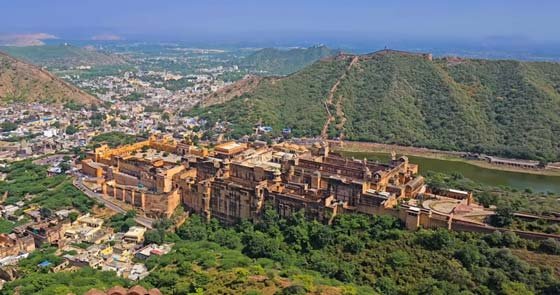
Amber Fort, also known as Amer Fort, is one of the top tourist attractions in Jaipur and a UNESCO World Heritage Site that showcases the grandeur of Rajput architecture. Built with red sandstone and white marble, this magnificent hilltop fort overlooks the scenic Maota Lake, creating a breathtaking setting for visitors. As you explore its grand courtyards, ornate gateways, and royal chambers, you’ll discover the rich history of Jaipur’s royal family. The fort’s intricate mirror work, detailed carvings, and impressive architecture make it a favorite destination for photographers and history enthusiasts alike. The evening light and sound show brings the fort’s fascinating past to life, while panoramic views from the ramparts offer unforgettable sights of the surrounding Aravalli Hills. Whether you’re visiting Jaipur for the first time or returning to explore its heritage, Amber Fort deserves a top spot on your itinerary.
Key Attractions
- Sheesh Mahal (Mirror Palace)
- Ganesh Pol
- Diwan-e-Aam
- Diwan-e-Khas
- Maota Lake
- Light and Sound Show
- Hilltop panoramic views
2. Hawa Mahal
Hawa Mahal, famously known as the Palace of Winds, is one of the most iconic landmarks and must-visit tourist attractions in Jaipur. Built in 1799 by Maharaja Sawai Pratap Singh, this five-story architectural masterpiece features 953 beautifully designed windows that allowed royal women to observe festivals and daily life while maintaining royal privacy. Its distinctive honeycomb façade, crafted from pink sandstone, perfectly reflects Jaipur’s nickname as the Pink City. Visitors can admire the intricate latticework, enjoy cool breezes flowing through the palace, and capture stunning photographs from both inside and outside the structure. Climbing to the upper floors rewards travelers with beautiful views of Jaipur’s bustling streets and nearby monuments. Early morning is the ideal time to visit, as the rising sunlight beautifully illuminates the palace’s pink exterior, creating an unforgettable sight.
Key Attractions
- 953 decorative windows
- Honeycomb façade
- Pink sandstone architecture
- Royal viewing galleries
- City viewpoints
- Historic Rajput architecture
- Excellent photography location
3. City Palace Jaipur
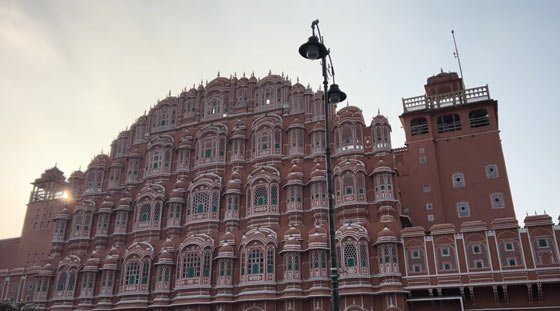
Located in the heart of Jaipur, the City Palace is one of the city’s most magnificent royal landmarks and a major tourist attraction in Jaipur. This grand palace complex blends Rajput, Mughal, and European architectural styles, reflecting centuries of royal elegance and craftsmanship. A portion of the palace still serves as the residence of Jaipur’s royal family, while the remaining sections are open to visitors. Inside, travelers can explore beautifully decorated courtyards, royal museums, ornate gateways, and historical galleries displaying royal costumes, ancient weapons, manuscripts, and priceless artifacts. The famous Peacock Gate is among the most photographed features of the palace due to its vibrant colors and intricate artwork. Walking through the palace offers a fascinating glimpse into Rajasthan’s royal lifestyle while showcasing some of India’s finest architectural details and cultural heritage.
Key Attractions
- Chandra Mahal
- Mubarak Mahal
- Peacock Gate
- Diwan-e-Khas
- Royal Museum
- Historic courtyards
- Royal artifact collections
4. Jantar Mantar
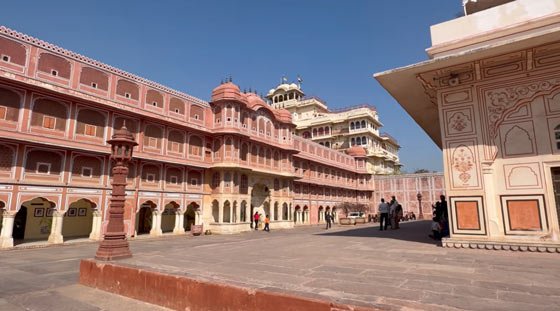
Jantar Mantar is one of Jaipur’s most remarkable historical attractions and a UNESCO World Heritage Site that celebrates India’s scientific achievements. Built by Maharaja Sawai Jai Singh II in the 18th century, this astronomical observatory houses nineteen massive instruments designed to observe celestial movements with exceptional precision. The highlight is the Samrat Yantra, the world’s largest stone sundial, which accurately measures time using the sun’s shadow. Visitors interested in astronomy, mathematics, and history will appreciate the observatory’s ingenious engineering and timeless design. Every instrument serves a unique scientific purpose, demonstrating the advanced astronomical knowledge of ancient India. Conveniently located near City Palace, Jantar Mantar is an essential stop for travelers exploring Jaipur’s rich cultural and historical heritage.
Key Attractions
- Samrat Yantra
- UNESCO World Heritage Site
- Astronomical instruments
- Stone sundial
- Scientific architecture
- Educational exhibits
- Historic observatory
5. Nahargarh Fort
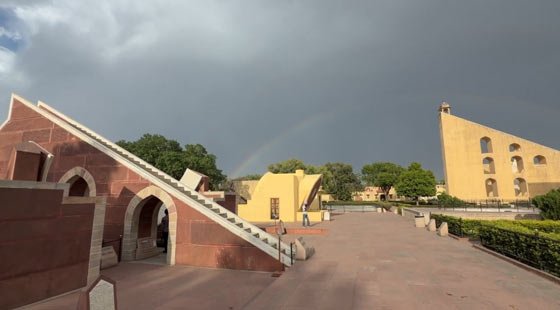
Nahargarh Fort stands majestically on the Aravalli Hills and is one of the best places to visit in Jaipur for panoramic city views. Originally built to strengthen Jaipur’s defense, the fort later became a peaceful royal retreat for the Maharajas. Visitors can explore the elegant Madhavendra Palace, beautifully decorated rooms, historic corridors, and scenic terraces overlooking the Pink City. Nahargarh Fort is especially popular during sunset when the golden light transforms Jaipur into a spectacular landscape. Adventure seekers, photographers, and couples often visit the fort for its peaceful atmosphere and breathtaking viewpoints. Its blend of history, architecture, and natural beauty makes Nahargarh Fort a memorable destination for every traveler.
Key Attractions
- Madhavendra Palace
- Sunset viewpoints
- Aravalli Hills
- Historic fort walls
- Scenic terraces
- Photography spots
- City panorama
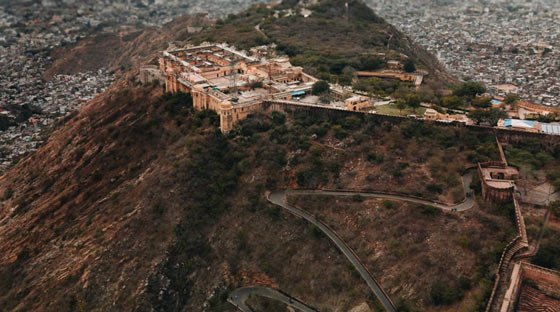
6. Jaigarh Fort
Jaigarh Fort is one of Jaipur’s finest military forts and is renowned for its remarkable engineering and historical significance. Located on the Cheel Ka Teela hill above Amber Fort, this impressive fortress protected the royal family and safeguarded valuable treasures. Its biggest attraction is the famous Jaivana Cannon, one of the largest wheeled cannons ever built. Visitors can also explore ancient armories, watchtowers, underground passages, and advanced rainwater harvesting systems that showcase the fort’s engineering brilliance. The well-preserved structure provides excellent insight into Rajasthan’s military history while offering spectacular views of Amber Fort and the surrounding hills. Jaigarh Fort is a must-visit destination for history lovers and architecture enthusiasts.
Key Attractions
- Jaivana Cannon
- Ancient armory
- Watchtowers
- Underground tunnels
- Water harvesting system
- Hilltop views
- Historic defense walls
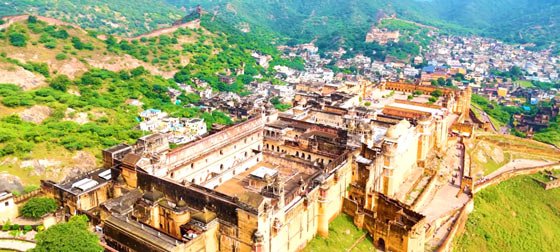
7. Jal Mahal
Jal Mahal, or the Water Palace, is one of the most picturesque tourist places in Jaipur. Situated in the middle of Man Sagar Lake, this elegant palace appears to float peacefully on the water, creating a postcard-perfect view. Although visitors cannot enter the palace itself, the lakeside promenade offers stunning photography opportunities throughout the day. Early mornings and evenings are particularly beautiful as the calm waters reflect the palace against the backdrop of the Aravalli Hills. During winter, migratory birds visit the lake, making it an excellent destination for birdwatching and nature photography. Jal Mahal combines architectural beauty with serene surroundings, making it one of Jaipur’s most relaxing attractions.
Key Attractions
- Man Sagar Lake
- Floating palace views
- Sunrise photography
- Sunset scenery
- Bird watching
- Lakeside promenade
- Aravalli backdrop
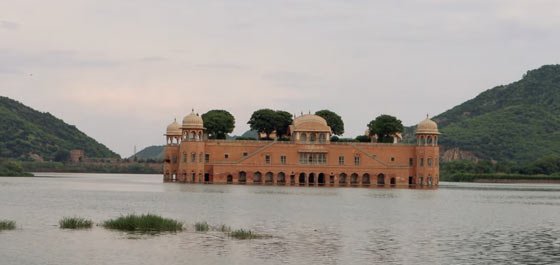
8. Albert Hall Museum
Albert Hall Museum is Rajasthan’s oldest museum and one of Jaipur’s finest cultural attractions. Built in the Indo-Saracenic architectural style, the museum houses an impressive collection of paintings, sculptures, coins, carpets, pottery, textiles, weapons, and even an Egyptian mummy. Each gallery tells the story of Rajasthan’s rich artistic and historical heritage, making the museum a rewarding destination for culture lovers. The beautifully illuminated building becomes even more attractive after sunset, creating a stunning visual experience. Visitors interested in art, archaeology, and history should include Albert Hall Museum in their Jaipur sightseeing itinerary.
Key Attractions
- Egyptian mummy
- Ancient sculptures
- Royal paintings
- Historic coins
- Traditional textiles
- Indo-Saracenic architecture
- Evening illumination
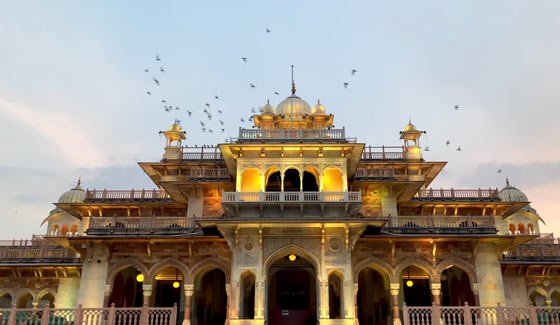
9. Birla Mandir
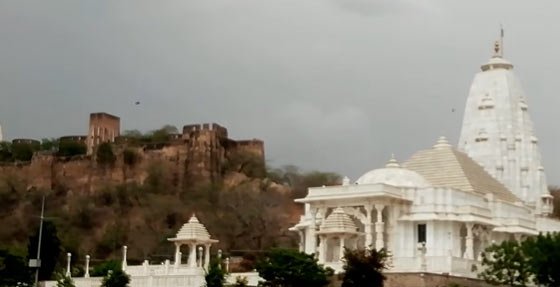
Birla Mandir is one of Jaipur’s most peaceful spiritual destinations, attracting devotees and tourists throughout the year. Built entirely from white marble, this beautiful temple is dedicated to Lord Vishnu and Goddess Lakshmi. The temple’s elegant carvings, spacious gardens, and tranquil atmosphere create a perfect place for prayer and relaxation. As sunlight reflects off the marble, the temple shines brilliantly, making it an excellent location for photography. Evening visits are especially memorable when the temple is illuminated with soft lights. Birla Mandir offers visitors a peaceful escape from Jaipur’s busy streets while showcasing exceptional craftsmanship.
Key Attractions
- White marble temple
- Lord Vishnu shrine
- Goddess Lakshmi shrine
- Beautiful gardens
- Evening lighting
- Intricate carvings
- Peaceful atmosphere
10. Patrika Gate
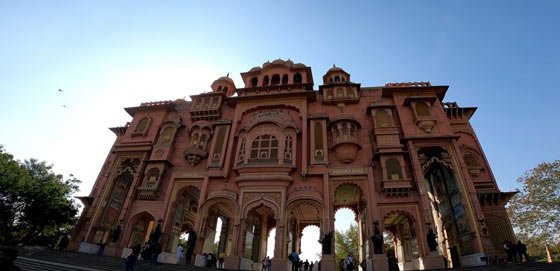
Patrika Gate has become one of Jaipur’s most photographed attractions thanks to its colorful architecture and artistic interiors. Every archway features vibrant murals, intricate paintings, and traditional Rajasthani artwork that beautifully represent the state’s history and culture. Located near Jawahar Circle, this stunning gateway is especially popular among photographers, travel bloggers, and social media enthusiasts. Morning visits offer softer natural lighting and fewer crowds, making it ideal for capturing memorable photographs. Patrika Gate perfectly combines modern creativity with Rajasthan’s timeless artistic traditions.
Key Attractions
- Colorful murals
- Artistic corridors
- Traditional Rajasthani artwork
- Jawahar Circle
- Photography location
- Decorative arches
- Cultural designs
11. Galtaji Temple (Monkey Temple)
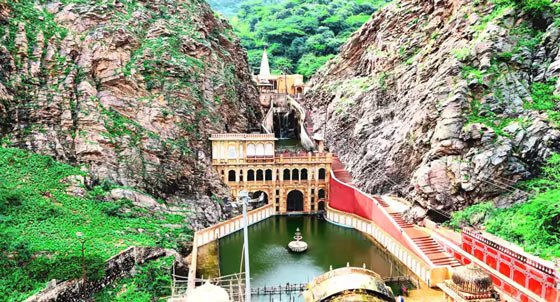
Galtaji Temple, popularly known as the Monkey Temple, is an ancient Hindu pilgrimage site nestled among the Aravalli Hills. The temple complex is famous for its sacred natural water tanks, beautiful pink sandstone architecture, and large population of playful monkeys. Visitors come here to admire the peaceful surroundings, explore historic temples, and enjoy panoramic hill views. The holy kunds are believed to have spiritual significance and attract pilgrims throughout the year. Combining religious importance with scenic beauty, Galtaji Temple is one of Jaipur’s most unique cultural attractions.
Key Attractions
- Sacred water tanks
- Ancient temples
- Pink sandstone architecture
- Hill viewpoints
- Monkey sanctuary
- Pilgrimage site
- Scenic surroundings
12. Sisodia Rani Garden
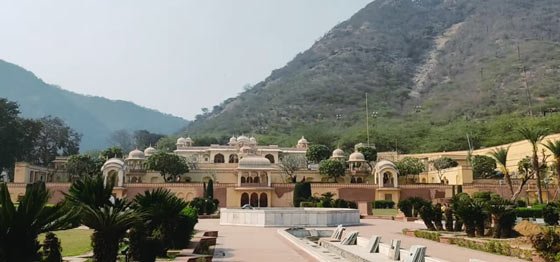
Sisodia Rani Garden is a beautifully landscaped royal garden built for Queen Sisodia and remains one of Jaipur’s hidden gems. Surrounded by lush greenery, fountains, terraces, and elegant pavilions, the garden offers a peaceful retreat from the city’s busy attractions. Intricate murals depicting scenes from Lord Krishna’s life add artistic charm to the peaceful environment. Visitors enjoy leisurely walks, photography, and relaxing amidst nature while appreciating the garden’s Mughal-inspired design. Its calm atmosphere makes it ideal for families and couples looking to unwind.
Key Attractions
- Royal gardens
- Decorative fountains
- Painted murals
- Terraced landscapes
- Historic pavilions
- Peaceful walking paths
- Mughal-style architecture
13. Panna Meena Ka Kund
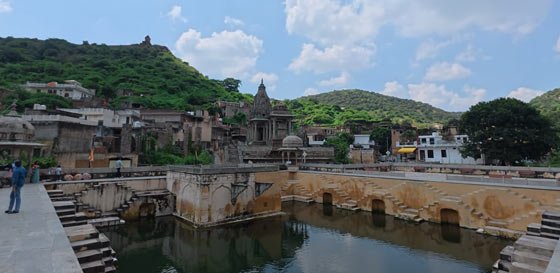
Panna Meena Ka Kund is one of Jaipur’s finest examples of traditional stepwell architecture. Built centuries ago, this beautifully symmetrical stepwell once served as an important community water source. Today, visitors admire its geometric staircases, unique design, and remarkable engineering. The perfectly aligned steps create fascinating visual patterns that make the site highly popular among photographers and architecture enthusiasts. Located near Amber Fort, Panna Meena Ka Kund is an excellent stop for travelers interested in Rajasthan’s historical water conservation systems.
Key Attractions
- Historic stepwell
- Symmetrical staircases
- Ancient architecture
- Geometric design
- Photography spot
- Heritage monument
- Traditional water system
14. Johari Bazaar
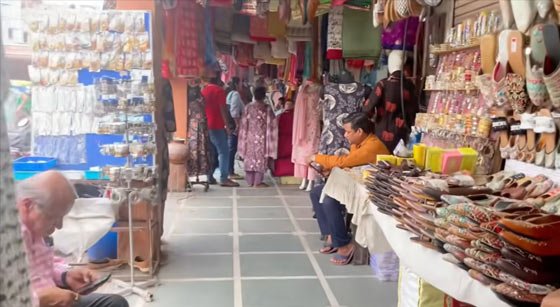
Johari Bazaar is Jaipur’s most famous shopping destination and a paradise for those looking to experience the city’s vibrant local culture. The bustling marketplace is renowned for its exquisite gemstone jewelry, silver ornaments, colorful textiles, handcrafted souvenirs, and traditional Rajasthani footwear. Visitors can also sample delicious local sweets and authentic street food while exploring its lively lanes. Whether you’re shopping for souvenirs or simply enjoying the colorful atmosphere, Johari Bazaar offers an unforgettable glimpse into Jaipur’s rich craftsmanship and trading heritage.
Key Attractions
- Gemstone jewelry
- Silver ornaments
- Traditional textiles
- Handcrafted souvenirs
- Mojari footwear
- Local sweets
- Street shopping
15. Chokhi Dhani
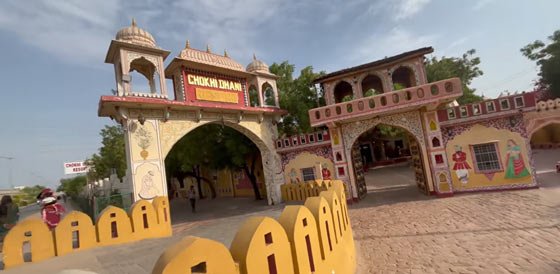
Chokhi Dhani is a popular ethnic village resort that offers visitors an authentic taste of Rajasthan’s rich culture and traditions. This family-friendly attraction recreates a traditional Rajasthani village with folk music, puppet shows, camel rides, magic performances, handicrafts, and cultural dances. Guests can also enjoy a delicious traditional Rajasthani thali served in a warm village-style setting. The vibrant atmosphere, welcoming hospitality, and entertaining performances make Chokhi Dhani one of the best cultural experiences in Jaipur. It is the perfect place to end your sightseeing tour while experiencing the true spirit of Rajasthan.
Key Attractions
- Traditional Rajasthani village
- Folk dance performances
- Puppet shows
- Camel rides
- Cultural entertainment
- Authentic Rajasthani thali
- Local handicrafts
Best Time to Visit Jaipur
The ideal time to visit Jaipur is October to March, when temperatures remain comfortable for sightseeing. Winter mornings are pleasant for exploring forts, while evenings are perfect for cultural programs and local markets.
Summer temperatures can exceed 40°C, making outdoor activities less enjoyable.
How to Reach Jaipur
By Air
Jaipur International Airport connects the city with major Indian cities and several international destinations.
By Train
Jaipur Junction is well connected with Delhi, Mumbai, Kolkata, Ahmedabad, Chennai, and other major railway networks.
By Road
Excellent highways connect Jaipur with Delhi, Agra, Udaipur, Jodhpur, Ajmer, and other tourist destinations across Rajasthan.
Travel Tips for Jaipur
- Start sightseeing early to avoid crowds.
- Wear comfortable walking shoes.
- Carry drinking water during fort visits.
- Dress modestly while visiting temples.
- Hire certified local guides at historical monuments.
- Bargain politely while shopping in local markets.
- Keep your camera fully charged for stunning architecture and sunsets.
Nearby Destinations Worth Exploring
If you’re planning a longer Rajasthan itinerary, these destinations pair perfectly with Jaipur.
History lovers should continue their journey by exploring the magnificent royal attractions of Jodhpur, known for its majestic Mehrangarh Fort and vibrant blue houses.
Those interested in serene lakes and royal palaces will enjoy discovering the beautiful tourist places in Udaipur, often called the City of Lakes.
For desert adventures, camel safaris, and golden sandstone architecture, don’t miss the must-visit destinations in Jaisalmer, where the Thar Desert offers unforgettable experiences.
If ancient forts and royal history fascinate you, the historic landmarks of Bikaner deserve a place on your travel list.
Architecture enthusiasts should also explore the legendary attractions of Chittorgarh, home to India’s largest fort complex.
If you’re extending your western India journey, consider visiting the top cultural attractions in Gujarat, where heritage, temples, and wildlife create memorable travel experiences.
Frequently Asked Questions
How many days are enough for Jaipur?
A 2 to 3-day trip is ideal for exploring Jaipur’s major forts, palaces, temples, museums, and local markets.
What is Jaipur famous for?
Jaipur is famous for Amber Fort, Hawa Mahal, City Palace, colorful bazaars, traditional handicrafts, royal heritage, and authentic Rajasthani cuisine.
Is Jaipur suitable for family trips?
Yes. Jaipur offers historical monuments, cultural attractions, shopping, local food, and entertainment suitable for visitors of all ages.
Which attraction should I visit first?
Amber Fort is widely considered the best place to begin your Jaipur sightseeing because of its historical importance, stunning architecture, and scenic hilltop location.
Conclusion
Jaipur perfectly captures the grandeur of Rajasthan through its magnificent forts, elegant palaces, colorful markets, sacred temples, and timeless traditions. Whether you’re admiring the intricate windows of Hawa Mahal, exploring the majestic Amber Fort, enjoying panoramic views from Nahargarh Fort, or experiencing Rajasthani culture at Chokhi Dhani, every attraction tells a unique story of the Pink City’s royal past.
With excellent connectivity, rich heritage, delicious local cuisine, and countless photography opportunities, Jaipur remains one of India’s most rewarding travel destinations. Add these top 15 tourist attractions in Jaipur to your itinerary and experience the unforgettable charm, history, and culture that make the Pink City a favorite among travelers from around the world.