
Top 10 Tourist Places in Rajasthan You Must Explore
The allure of Rajasthan lies not only in its breathtaking scenery but also in the rich cultural experiences it offers. Visitors can explore the intricate designs and historical significance of landmarks such as the Amer Fort, which showcases the grandeur of Rajput architecture, and Lake Pichola, where boat rides provide a tranquil escape amidst stunning views of the surrounding hills and palaces. Each city presents a unique narrative, from the bustling markets of Jaipur to the tranquil lakeside views of Udaipur, allowing tourists to delve into the vibrant traditions and lifestyles of the region. Rajasthan’s diverse offerings ensure that every traveler leaves with unforgettable memories, making it a premier destination for those seeking to experience the essence of India’s royal heritage.
Rajasthan, renowned as the “Land of Kings” is a treasure trove of historical significance and architectural marvels, drawing countless visitors to its majestic forts, opulent palaces, and picturesque lakes. The state is particularly famous for its vibrant cities, including Jaipur, often referred to as the Pink City due to its distinctive terracotta-hued buildings. Udaipur, known as the City of Lakes, enchants travelers with its serene waters and romantic ambiance, while Jodhpur, the Blue City, captivates with its striking blue-painted houses and the formidable Mehrangarh Fort that towers over the landscape. Jaisalmer, the Golden City, offers a unique desert experience, with its stunning sandstone architecture and the mesmerizing sand dunes of the Thar Desert, making it a must-visit for those seeking adventure and cultural immersion.
Discovering Rajasthan: The Land of Kings
Rajasthan, often referred to as the “Land of Kings” is a state in India renowned for its vibrant tapestry of history, culture, and architectural marvels. This enchanting region beckons travelers with its majestic forts, sprawling deserts, and opulent palaces that echo the tales of its regal past.
1. Jaipur: The Pink City
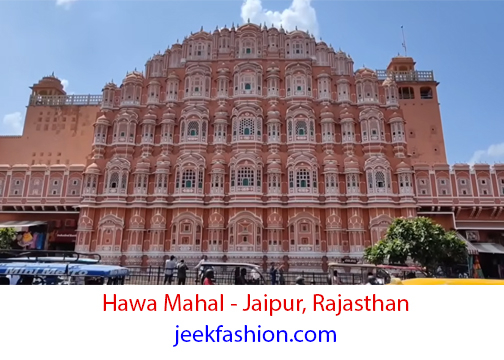
Jaipur, the capital city of Rajasthan, is a vibrant destination that captivates visitors with its rich history and stunning architecture. Known as the “Pink City” due to the distinct color of its buildings, Founded by Maharaja Sawai Jai Singh II in 1727, Jaipur is a harmonious blend of the old and the new. Jaipur is a UNESCO World Heritage Site that showcases a blend of Rajput and Mughal influences. The city is home to iconic landmarks such as the Hawa Mahal, or Palace of Winds, which features intricate latticework and numerous windows designed to allow royal women to observe street festivities without being seen. Another must-visit site is the Amer Fort, a majestic fortress that offers breathtaking views of the surrounding hills and is renowned for its stunning courtyards and gardens. The City Palace, a magnificent complex that houses museums and courtyards, further exemplifies the opulence of Jaipur’s royal heritage.
Key Attractions in Jaipur
- Amber Fort: A stunning example of Rajput architecture, this fort is a testament to the grandeur of the past.
- Hawa Mahal: Known as the “Palace of Winds” it features a facade with 953 small windows, allowing royal ladies to observe street festivals unseen.
- City Palace: A complex of courtyards, gardens, and buildings, this palace offers a glimpse into the royal lifestyle.
- Jantar Mantar: This UNESCO World Heritage site showcases a set of 19 astronomical instruments constructed in the 1700s, which includes the largest stone sundial in the world.
- Nahargarh Fort: Situated on the brink of the Aravalli Hills, this fort provides the most stunning panoramic sunset views of the whole city of Jaipur.
2. Udaipur: The City of Lakes
Udaipur, often referred to as the “City of Lakes” is a captivating destination in the Indian state of Rajasthan, renowned for its rich history, stunning architecture, and picturesque landscapes. Founded by Maharana Udai Singh II in 1559, Udaipur is often seen as the most romantic city in India. Nestled amidst the Aravalli Range, this enchanting city is home to a series of beautiful lakes, including Lake Pichola and Fateh Sagar Lake, which add to its charm and allure. Visitors can explore the majestic City Palace, a sprawling complex that showcases a blend of Rajasthani and Mughal architectural styles, offering breathtaking views of the surrounding area. The intricate craftsmanship and vibrant murals within the palace provide a glimpse into the royal heritage of Udaipur, making it a must-visit for history enthusiasts and architecture lovers alike.
Key Attractions in Udaipur
- Lake Pichola: This artificial lake, surrounded by palaces and temples, is the heart of Udaipur.
- City Palace: Overlooking Lake Pichola, this palace complex is a blend of Rajasthani and Mughal architectural styles.
- Jag Mandir: A beautiful island palace on Lake Pichola, offering stunning views and a peaceful retreat.
3. Jaisalmer: The Golden City
Jaisalmer, known as the “Golden City,” is located in the heart of the Thar Desert. The city is famed for its yellow sandstone architecture, which gives it a golden hue, especially at sunset.
Key Attractions in Jaisalmer
- Jaisalmer Fort: A UNESCO World Heritage Site, this living fort houses shops, residences, and hotels within its walls.
- Patwon Ki Haveli: A cluster of five havelis, known for their intricate carvings and artistic grandeur.
- Sam Sand Dunes: Experience the magic of the Thar Desert with a camel safari and witness the ethereal beauty of the sand dunes.
4. Jodhpur: The Blue City
Jodhpur, often referred to as the “Blue City” due to the distinctive blue-painted houses that adorn its landscape, is a captivating destination in the Indian state of Rajasthan. This vibrant city is steeped in history and culture, with its roots tracing back to the 15th century when it was founded by Rao Jodha, a Rajput king. The majestic Mehrangarh Fort, which towers over the city, is a must-visit landmark, showcasing intricate architecture and offering panoramic views of the surrounding area. Inside the fort, visitors can explore a rich collection of artifacts, including royal palanquins, weapons, and paintings that narrate the storied past of the region. The bustling streets of Jodhpur are lined with colorful bazaars, where one can find traditional handicrafts, textiles, and spices, providing a sensory experience that reflects the local culture.
Key Attractions in Jodhpur
- Mehrangarh Fort: This is one of the largest forts in India, located 400 feet above the city, providing stunning panoramic views, detailed carvings, and a comprehensive museum.
- Umaid Bhawan Palace: An impressive, currently occupied palace featuring a museum that showcases royal heritage, breathtaking architecture, and a luxury hotel.
- Jaswant Thada: An exquisite cenotaph made of white marble, constructed in honor of Maharaja Jaswant Singh II, providing peaceful vistas and serene gardens.
- Mandore Garden: The historic capital of Marwar, showcasing elevated rock terraces, magnificent cenotaphs (dewals) dedicated to the rulers of Jodhpur, and a verdant garden.
- Clock Tower & Sadar Market: A lively and dynamic marketplace that provides a genuine experience of local Jodhpur culture, featuring spices, handicrafts, and textiles.
5. Pushkar
Pushkar, a vibrant and sacred town nestled in the heart of Rajasthan, is renowned for its deep spiritual roots and rich cultural heritage. This enchanting desert locale is characterized by its stunning temples, each telling a story of devotion and artistry. Among its most revered sites is the holy Pushkar Lake, surrounded by a series of ghats where pilgrims gather to perform rituals and seek blessings. The town is also home to the unique Brahma Temple, one of the few dedicated to the creator god in Hinduism, drawing visitors from far and wide. Additionally, the picturesque Savitri Temple, perched on a hilltop, offers breathtaking views of the surrounding landscape, making it a must-visit for both spiritual seekers and nature lovers alike.
Key Attractions in Pushkar
- Pushkar Lake and its Ghats: Enclosed by 52 bathing ghats, this lake is regarded as one of the most sacred in India. Tourists frequently partake in the evening aarti (prayer ceremony) at either Brahma Ghat or Varaha Ghat for a tranquil experience.
- Brahma Temple (Jagatpita Brahma Mandir): Recognized as one of the rare Brahma temples globally, this temple from the 14th century serves as an important pilgrimage destination constructed from marble and stone.
- Savitri Mata Temple: Situated on Ratnagiri Hill, this temple can be accessed via a trek or a well-known ropeway ride, providing sweeping views of the whole Pushkar town and desert during sunset.
- Pushkar Market (Bazaars): A vibrant and lively marketplace brimming with stores offering silver jewelry, embroidered fabrics, leather products, dream catchers, and authentic Rajasthani clothing.
- Varaha Temple and Old Rangji Temple: These temples are some of the oldest and most architecturally impressive in Pushkar, each dedicated to various incarnations of Lord Vishnu.
6. Ajmer
Ajmer, a city steeped in cultural heritage located in the heart of Rajasthan, is celebrated for its spiritual significance and picturesque lakes. The Ajmer Sharif Dargah stands out as the city’s most prominent attraction, drawing countless pilgrims and tourists alike who come to pay their respects at the shrine of the revered Sufi saint, Khwaja Moinuddin Chishti. This sacred site not only serves as a spiritual haven but also showcases stunning Mughal architecture, making it a focal point for those seeking both solace and beauty. In addition to the Dargah, visitors can explore the historic Ana Sagar Lake, which offers a serene escape with its tranquil waters and lush surroundings, perfect for leisurely strolls or picnics.
Key Attractions in Ajmer
- Ajmer Sharif Dargah (Khwaja Gharib Nawaz Dargah Sharif): This is one of the most venerated Sufi shrines in India, containing the maqbara (grave) of the Sufi saint Khwaja Moinuddin Chisti, and it draws millions of visitors.
- Ana Sagar Lake: An awe-inspiring artificial lake from the 12th century, encircled by the beautifully designed Daulat Bagh gardens and soft hills, ideal for boating and enjoying sunset views.
- Adhai Din Ka Jhonpra: An impressive historic mosque situated close to the Dargah, renowned for its detailed Indo-Islamic architecture, which is often claimed to have been constructed in merely two-and-a-half days.
- Taragarh Fort: A fort from the 12th century situated on a steep hill, offering sweeping views of the city and showcasing remarkable gateways.
- Nareli Jain Temple: A contemporary and expansive Jain temple complex celebrated for its breathtaking white marble design and detailed carvings, situated on the city’s outskirts.
7. Bikaner
Bikaner, a lively city nestled in the heart of the Thar Desert, boasts a rich tapestry of history and culture that captivates visitors from around the globe. Renowned for its stunning forts, distinctive temples, and deep-rooted camel traditions, the city offers a unique glimpse into Rajasthan’s heritage. Among its most notable landmarks is the formidable Junagarh Fort, an architectural marvel that stands as a testament to the city’s royal past. The Karni Mata Temple, often referred to as the Rat Temple, draws pilgrims and tourists alike with its intriguing worship of rats, which are considered sacred. Additionally, the intricately designed Rampuria Haveli showcases the exquisite craftsmanship of local artisans, making it a must-visit for those interested in traditional Rajasthani architecture.
Key Attractions in Bikaner
- Junagarh Fort (est. 1594): An impressive fort complex constructed by Raja Rai Singh, recognized for its blend of Mughal and Gujarati architectural styles, beautiful palaces, and a museum.
- Karni Mata Temple (Deshnok): Situated 30 kilometers from Bikaner, this temple, which is over 600 years old, is popularly referred to as the “Rat Temple” where countless rats are honored and protected.
- Rampuria Haveli: An awe-inspiring collection of historic homes located in the ancient city, renowned for their elaborately carved red sandstone exteriors, regarded as some of the best globally.
- National Research Centre on Camel: An exceptional research facility that offers visitors the opportunity to learn about camels, tour the breeding center, ride camels, and sample camel milk ice cream.
- Laxmi Niwas Palace: Once the home of the King of Bikaner, this remarkable structure showcases Indo-Saracenic architecture and now operates as a luxury hotel, situated close to the Lalgarh Palace.
8. Kota
Kota, a picturesque city nestled along the banks of the Chambal River in Rajasthan, is a captivating blend of rich history and contemporary attractions. Visitors are drawn to the Garadia Mahadev Temple, renowned for its stunning views and spiritual ambiance, which offers a serene escape into nature. Another must-visit is the Seven Wonders Park, where miniature replicas of the world’s most famous landmarks provide a unique and engaging experience for families and tourists alike. Additionally, the Jagmandir Palace, situated on the tranquil Kishore Sagar Lake, enchants guests with its architectural beauty and peaceful surroundings, making it an ideal spot for leisurely strolls and photography.
Key Attractions in Kota
- Garadia Mahadev Temple: Situated on a cliff that overlooks the Chambal River, it provides some of the most stunning panoramic views in the area.
- Seven Wonders Park: A well-known park featuring breathtaking miniature models of the seven wonders of the world, ideal for photography.
- Jagmandir Palace & Kishore Sagar Lake: This 14th-century palace, constructed from red sandstone, is situated in the center of a picturesque, man-made lake, providing opportunities for boat rides and stunning reflections.
- Chambal Riverfront: A contemporary and vast riverside project that includes plazas, pathways, and beautiful lighting for evening walks.
- City Palace (Garh Palace): An expansive, historic site that features breathtaking Rajput architecture, along with paintings and artifacts that reflect the history of Kota.
9. Mount Abu
Nestled in the Aravalli Range, Mount Abu stands as Rajasthan’s sole hill station, captivating visitors with its breathtaking landscapes and rich spiritual heritage. The centerpiece of this enchanting destination is the Dilwara Jain Temples, renowned for their exquisite marble carvings and intricate architectural design, which draw pilgrims and tourists alike. Complementing this spiritual allure is Nakki Lake, a picturesque spot ideal for leisurely boat rides and serene picnics, surrounded by lush greenery and rocky hills. The highest point in the region, Guru Shikhar, offers panoramic views that stretch across the horizon, making it a must-visit for those seeking both adventure and tranquility.
Key Attractions in Mount Abu
- Dilwara Jain Temples (circa 11th-13th century): Renowned for their detailed marble sculptures and breathtaking architecture, these temples are essential for those who appreciate history and art.
- Nakki Lake: Acknowledged as the first artificial lake in India, this scenic location is encircled by hills and is ideal for activities such as boating, strolling, or exploring the adjacent Toad Rock.
- Guru Shikhar: Being the tallest peak in the Aravalli Range, it provides sweeping views of the whole hill station and is home to the temple of Guru Dattatreya.
- Achalgarh Fort & Temple: Constructed by the Mewar dynasty, this fort from the 14th century includes the Achaleshwar Mahadev Temple, which honors Lord Shiva and is built around his toe print.
- Mount Abu Wildlife Sanctuary: Spanning 288 square kilometers, this sanctuary serves as a haven for rare species such as wild boars, sambar, and langurs, making it perfect for nature enthusiasts.
10. Chittorgarh
Chittorgarh is renowned for its sprawling 700-acre hilltop fort, a UNESCO World Heritage site that stands as a testament to the bravery and resilience of the Rajput warriors. This impressive fortification is adorned with striking towers, majestic palaces, and sacred temples, each narrating tales of valor and sacrifice. Among its many attractions, the Chittorgarh Fort itself is a focal point, showcasing the architectural brilliance of the era. Visitors are particularly drawn to the intricately designed Vijay Stambha, or Victory Tower, which commemorates the triumph of the Rajputs over their enemies. The fort’s landscape is further enriched by the historic Padmini’s Palace, a symbol of beauty and tragedy, and the revered Meera Temple, dedicated to the poet-saint Meera Bai, whose devotion and poetry continue to inspire many.
Key Attractions in Chittorgarh
- Chittorgarh Fort: This 7th-century stronghold is among the largest forts in India, spanning 700 acres and showcasing seven grand gates (pols).
- Vijay Stambha (Victory Tower): Constructed by Rana Kumbha in 1440 to celebrate his triumph over Mahmud Khilji, this nine-story tower features elaborate carvings of Hindu gods.
- Padmini’s Palace: Situated inside the fort, this white palace offers a view of a tranquil pool and is renowned as the location where Rani Padmini revealed her reflection to Alauddin Khilji.
- Kirti Stambh (Tower of Fame): This 22-meter tall tower, built in the 12th century, is dedicated to Adinathji, the first Jain Tirthankara, and features traditional Jain architectural designs.
- Meera Temple: Situated close to the Vijay Stambha, this temple honors the poet-saint Meera Bai, a devoted disciple of Lord Krishna.
Cultural Experiences in Rajasthan
Rajasthan is not only about its architectural splendors but also offers a rich cultural experience. Visitors can immerse themselves in traditional Rajasthani music, dance, and cuisine. The vibrant festivals, such as the Jaipur Literature Festival and the Pushkar Camel Fair, provide a deeper insight into the local culture and traditions.
Rajasthan, with its unique blend of history, culture, and natural beauty, ensures an unforgettable experience for every traveler, leaving them with memories that last a lifetime.